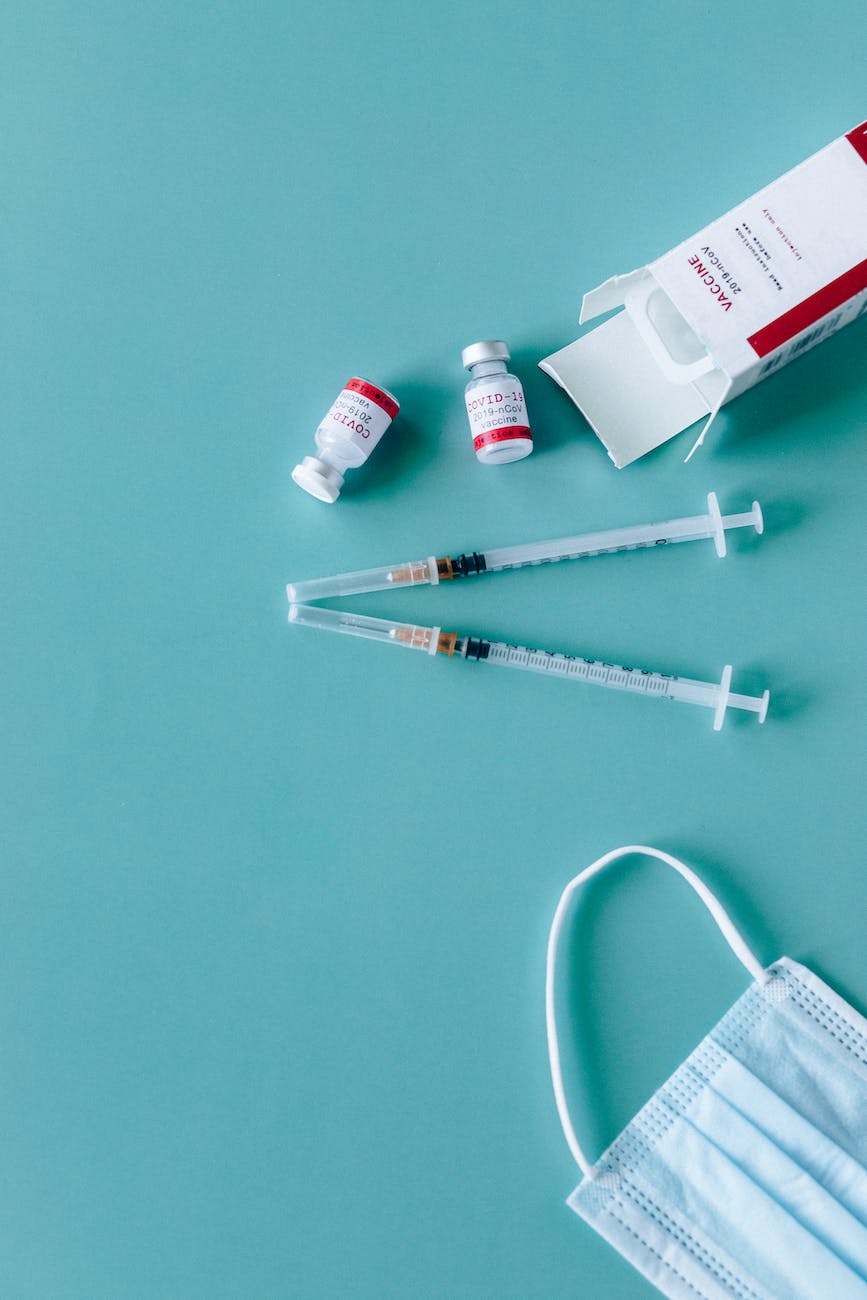
Hey guys. Have you had your coffee? How’s the migraine? We have had a day with a back to back inderal overdose case in the emergency department. This is a quick 5 minute overview of Inderal treatment and management.
Overview: most commonly prescribed drugs for the treatment of various cardiac disorders, hyperthyroidism, migraine, glaucoma, and anxiety.
–sodium bicarbonate for QRS widening and magnesium sulfate for QTc prolongation
-Although no controlled trials to prove the efficacy of glucagon beta-blocker overdose, glucagon is considered as a useful treatment of choice
– Glucagon treatment may induce vomiting; Premedication with antiemetic
-side effects of glucagon include hypocalcemia and hyperglycemia
–calcium salts may provide benefits for hypotensive patients or in combination with a calcium channel blocker
-Cases refractory to fluids, atropine, and glucagon; should be considered candidates for high-dose insulin, euglycemia treatment. High-dose insulin, euglycemia to augment cardiac contractility. High-dose insulin, euglycemia can cause profound hypokalemia and hypoglycemia
-Due to intrinsic lipophilicity, certain beta-blockers may cause CNS depression
-lipid-soluble beta-blockers are more toxic than the water-soluble agents because of their quinidine-like effects (class 1a antiarrhythmic)
-Premedication with atropine during intubation may be necessary-Toxicity secondary to water-soluble and renally excreted beta-blockers (e.g., acebutolol, atenolol, nadolol, and sotalol) may respond to multiple doses activated charcoal, hemoperfusion or hemodialysis
Names, dates, and personal identifying details have been changed throughout this website to comply with the Health Insurance Portability and Accountability Act (HIPAA). ** | This website runs on coffee. Thank you for supporting this journey!
 Code Team Pearls
Leave a comment