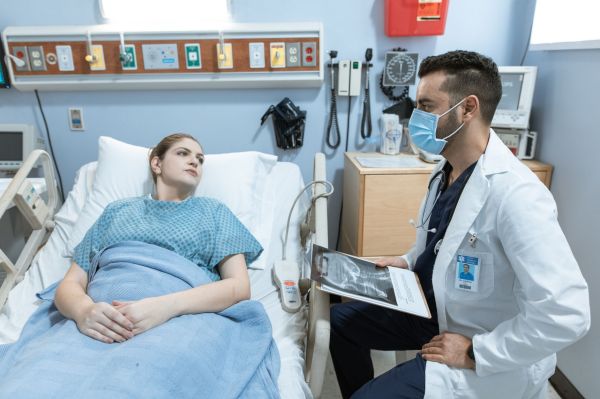
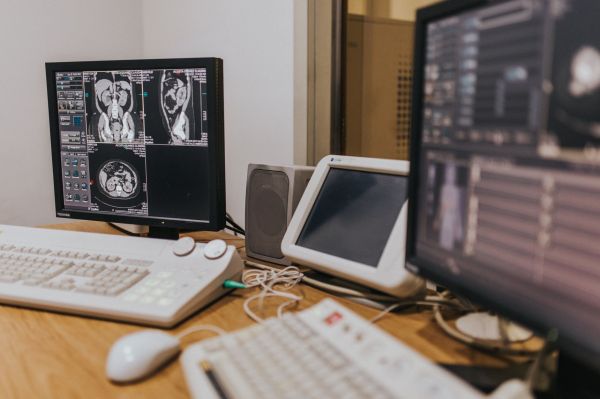
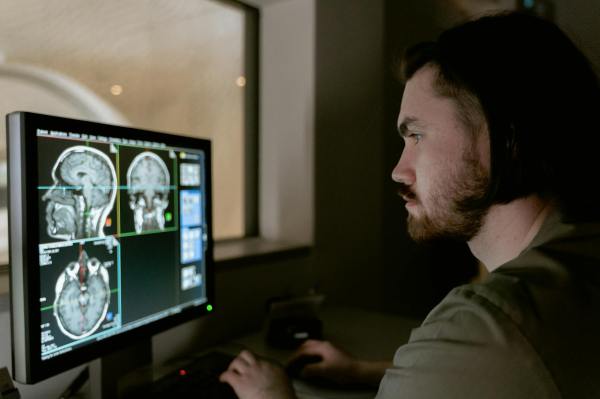
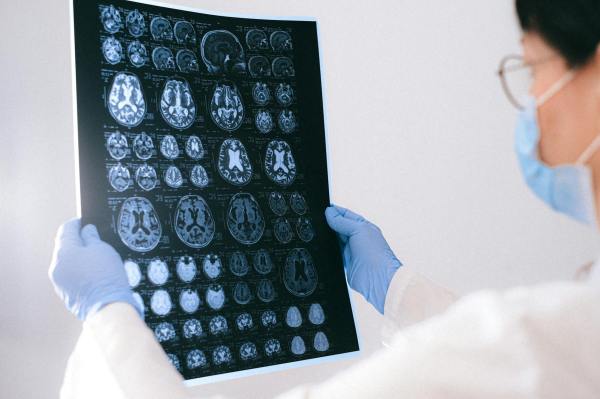
The "9-hour extended window" is a time frame for giving clot-busting drugs to patients with acute ischemic strokes, allowing treatment beyond the usual 4.5-hour mark. This method uses advanced brain scans to find salvageable tissue instead of just focusing on how much time has passed since symptoms started. The 4.5-Hour Rule vs. The 9-Hour Window... Continue Reading →
Understanding DWI and FLAIR in Hyperacute ischemic stroke
A DWI/FLAIR mismatch is a useful MRI finding that helps confirm if someone is having a hyperacute ischemic stroke (within the 4.5 hours). It shows that there's still some brain tissue that can be saved, which is very important to helps doctors figure out which parts of the brain are damaged beyond repair and which... Continue Reading →
Update to our thrombolytic therapy exclusion criteria coming soon.
Alzheimer's disease and stroke are major health issues that often affect older adults, significantly reducing their quality of life. As people get older, the chances of developing these conditions rise, leading to problems with memory, thinking, and physical abilities. Unfortunately, with aging, stroke risk also increases. A few medications treating Alzheimer's disease have been linked... Continue Reading →
5 minutes EVD review and setup
Courtesy of Critical RN skills | https://youtu.be/RWEVGgBZ9Sg?si=Efzd-NJOKOxSgOel | 2 person prime the system. All tubing system must remain sterile when connecting and flushing. image: Sterile flush, transducer, stopcock, and the EVD with drainage system. Connect primary stopcock to the system. Connect transducer to main system stopcock. MD will flush the system with sterile normal saline... Continue Reading →
The MRS for post stroke patient
What is the purpose of the scale? The Modified Rankin Scale (MRS) is a simple one-item rating scale to check how patients are doing after a stroke. It helps figure out how independent they are by looking at what they could do before the stroke instead of just how well they perform specific tasks now.... Continue Reading →
Amyloid-related imaging abnormalities (ARIA)
Case study: Mr. J. is a 76 year old gentleman who came in with left sided weakness associated with dizziness and visual changes. He was recently started on an anti-amyloid therapies Lecanemab a few weeks back to help slow down his Alzheimer's disease progression. He is AO x 3 at baseline. He is currently a... Continue Reading →
What is CT perfusion?
A CT perfusion study is a cool medical imaging method that checks out how blood flows to different tissues, especially in the brain or heart. It uses CT tech combined with a contrast agent to see how blood gets delivered to various spots over time. In a CT perfusion study, a series of images is... Continue Reading →
5 minutes tNk
Overview Tenecteplase is a tissue plasminogen activator produced by recombinant DNA technology. It binds to fibrin and catalyzes the conversion of plasminogen to plasmin, which leads to rapid lysis of clots. Thrombolytic therapy with alteplase or tenecteplase is used in the treatment of myocardial infarction,ischemic stroke, and pulmonary embolism (PE). Alteplase is approved by the... Continue Reading →
PRES syndrome
Case report: Hey guys, we had a patient that came in for acute AMS with neural focal deficit- activated as a code stroke. Patient was found to have acute infarct, acute subarachnoid hemorrhages on the CT non contrast. Patient was also positive for SIRS with significant infectious process, increased WBC and lactate. History of recent... Continue Reading →
Sugammadex
Case report: Hi guys, we had a patient come in with a massive head bleed. Intubated prior to CT. Neurosurgery came by to assess the patient after 40 min of (RSI) intubation. MD wanted to reverse Rocuronium with Sugammadex to do a full neurologic assessment for possible neurosurgical intervention. What is Sugammadex SUGAMMADEX (soo GAM... Continue Reading →