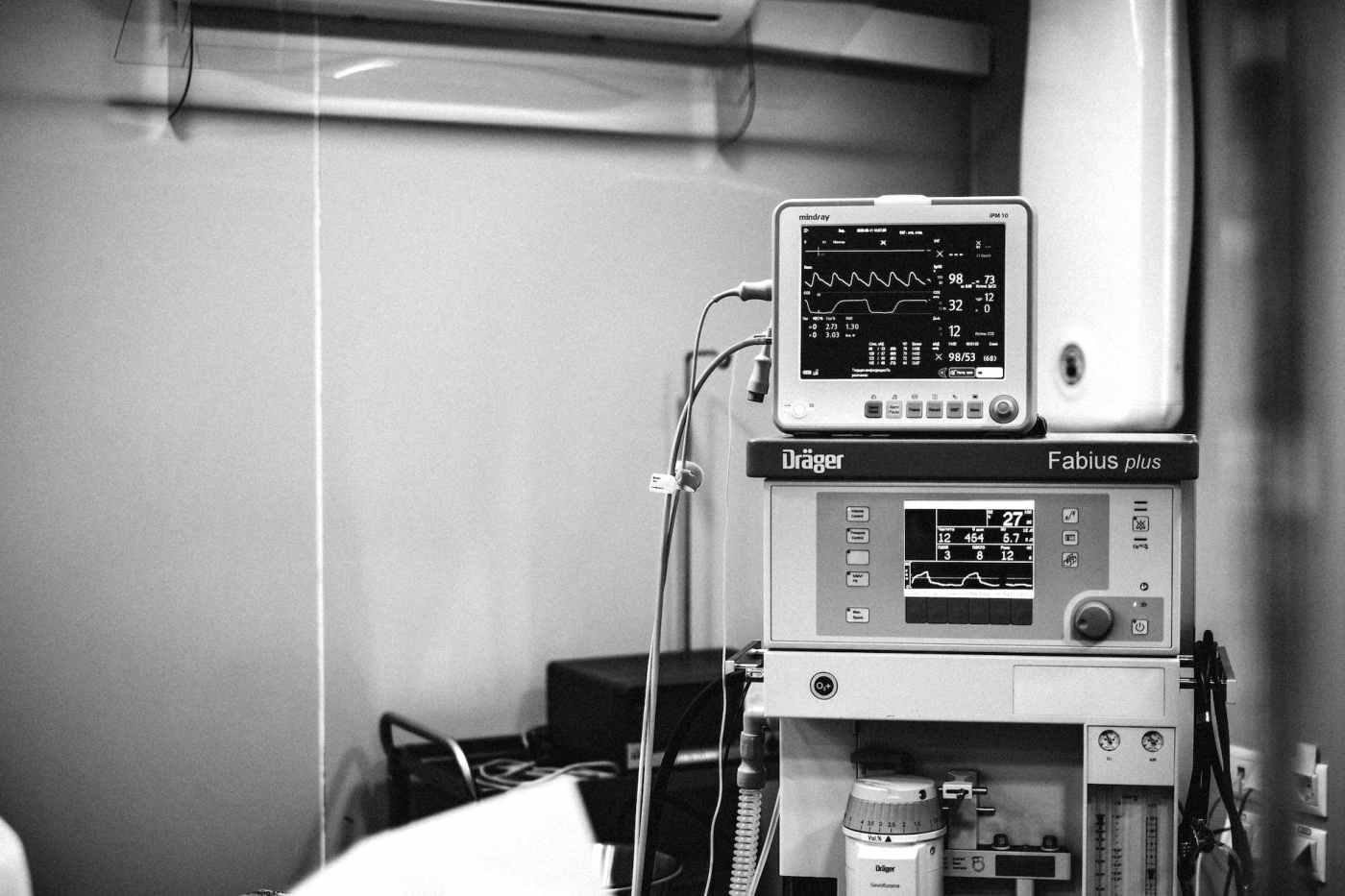
Apart from assessing standard hemodynamic factors, incorporating advanced metrics like the hypotension prediction index, dynamic arterial elastance, and systolic slope can enhance the accuracy of treatment for critically ill patients. Leveraging predictive analytics enables critical care nurses to deliver proactive patient care rather than reactive responses. These variables combined can aid in evaluating a patient’s preload, afterload, and contractility condition.
The first advanced variable, hypotension prediction index (>85), is a predictor of imminent hypotension. The second advanced variable, dynamic arterial elastance (>1), is used to evaluate arterial tone. The third variable, systolic slope, is used to assess ventricular contractility. Below is a simple diagram of the hemodynamic optimization algorithm to assist the clinician at the bedside in managing a critical patient.

…
Names, dates, and personal identifying details have been changed throughout this website to comply with the Health Insurance Portability and Accountability Act (HIPAA). ** | This website runs on coffee. Thank you for supporting this journey!
 Code Team Pearls
Leave a comment