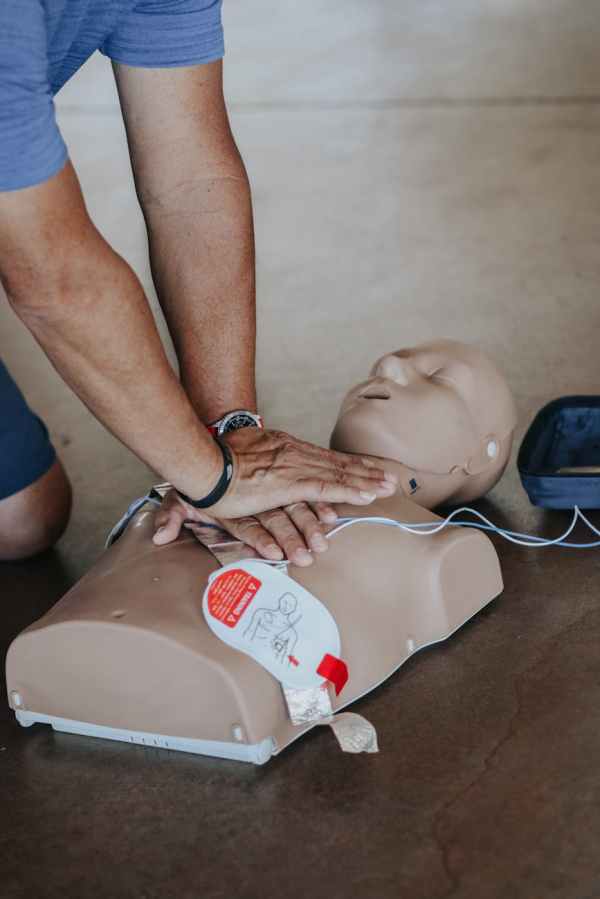
The (5 min.) 2025 AHA guideline is here!

It was not easy to unpack the 26+ pages of the guidelines into a short and digestible short simplified highlights but here is my shot at on the adult guideline. Any feedback will be greatly appreciated. AHA guidelines, as updated in October 22, have been shaped significantly under the leadership of Dr. Ashish Panchal. This... Continue Reading →

Scoring a HAT trick in Sepsis

In soccer, a hat trick happens when one player scores three goals in a single game. Now, if we switch gears to the world of clinical sepsis therapy, HAT is like a dream team of intravenous treatments: hydrocortisone at 50 mg every 6 hours, ascorbic acid (vitamin C) at a whopping 1500 mg every 6... Continue Reading →

Serum biomarkers of delirium

Delirium is a prevalent condition in critical care settings, yet it has historically been challenging to quantify or measure at a biological level. This article presents groundbreaking insights into biomarkers that hold great promise for the future of identifying and diagnosing delirium effectively. Here is a simplified summary from the full article. Delirium is a... Continue Reading →

Double Sequential External Defibrillation

Sudden cardiac arrest is a leading cause of death in industrialized nations, with over 700,000 annual fatalities in Europe and the USA, largely due to ventricular fibrillation (VF) or pulseless ventricular tachycardia. Despite repeated defibrillation attempts, many patients remain in shock refractory VF, and further attempts without method changes are often ineffective, leading to decreased... Continue Reading →

The MRS for post stroke patient

What is the purpose of the scale? The Modified Rankin Scale (MRS) is a simple one-item rating scale to check how patients are doing after a stroke. It helps figure out how independent they are by looking at what they could do before the stroke instead of just how well they perform specific tasks now.... Continue Reading →

Sepsis and the Andromeda shock trial

Perfusion, perfusion, perfusion- the name of the game. Ever wonder why we activate a rapid response for severe sepsis? What is severe sepsis? Yes, severe sepsis is when that infectious process has affected the body to go into an overdrive with a SYSTEMIC INFLAMMATORY RESPONSE SYNDROME and has now affected central organs with low perfusion.... Continue Reading →

Create a website or blog at WordPress.com

Up ↑