TEE and the mitral valve during CPR

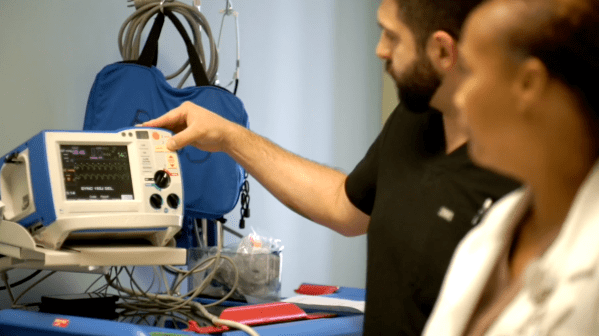
Ever wonder why Dr. Haycock asks for the TEE kit when we have a full arrest coming into the emergency department? Let's look into the simple yet valuable tool used during a code situation. Why TEE for cardiopulmonary resuscitationTEE facilitates continuous cardiac monitoring, aids in identifying reversible causes, optimizes chest compression techniques, can notably shorten... Continue Reading →

Severe Sepsis activation

This is a simple tool for the Medical surgical / Progressive care unit that the Code team has put together for a quick guide in activating severe sepsis apart from the Best Practice Alert guide. Feel free to print for your department huddle board. . Names, dates, and personal identifying details have been changed throughout... Continue Reading →

What is CT perfusion?

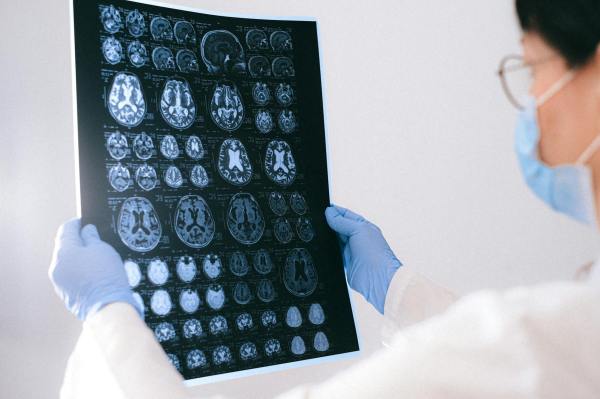
A CT perfusion study is a medical imaging technique that evaluates the blood flow to various tissues, particularly in the brain or heart. It uses computed tomography (CT) technology in conjunction with a contrast agent to visualize how blood is delivered to different areas over time. In a CT perfusion study, a series of images... Continue Reading →

5 minutes tNk

Overview Tenecteplase is a tissue plasminogen activator produced by recombinant DNA technology. It binds to fibrin and catalyzes the conversion of plasminogen to plasmin, which leads to rapid lysis of clots. Thrombolytic therapy with alteplase or tenecteplase is used in the treatment of myocardial infarction,ischemic stroke, and pulmonary embolism (PE). Alteplase is approved by the... Continue Reading →

September is Sepsis awareness month

https://www.youtube.com/watch?v=1V5JHX_6pL8 . Riverside University Health System (RUHS) Medical Center has achieved certification by the Joint Commission for Disease-Specific Sepsis Care, thereby establishing itself as the inaugural safety net hospital on the West Coast to attain this distinction. This recognition underscores a dedicated commitment to delivering exemplary care for patients afflicted with sepsis, a critical and... Continue Reading →

LVAD

You come on shift in the ED and you find yourself working the first time with a patient that has had a Ventricular assist device for a few years. What do you need to know and the key points to remember? Historycreated by Domingo Liotta at Baylor College of Medicine in Houston in 1962. The... Continue Reading →

Quick Flopatch overview

RIVERSIDE, Calif., September 21, 2023 /Business Wire/ — Riverside University Health System is proud to announce the implementation of FloPatch by Flosonics Medical. As a pioneer in adopting new, ground-breaking medical technology, Riverside is making a significant leap forward in healthcare innovation, particularly in the life-saving area of sepsis management. read more. Hi everyone. Here is... Continue Reading →

Let’s brush up on BRASH syndrome

Background: 69 Yo female was activated for a rapid response for a sustained HR in the 40's. EKG shows non specific T wave changes. Potassium 5.8. Pt a has decreased urine output the last few hours with signs of shock. Lactate is elevated and her POCUS revealed collapsible IVC, normodynamic heart, absent Blines. History shows... Continue Reading →

How to SCAPE the vicious cycle

57 year old male was brought in to resus bay with acute dyspnea, hypoxemia, diaphoretic. Hx significant for HTN, DM, HFpEF. HR of 156, SBP 189 mmHg, Sa02 85% on high flow 02. ECG revealed atrial fibrillation with RVR, nonspecific ST changes. Sympathetic Crashing Acute Pulmonary Edema SCAPE: distinguishing features is vasoconstriction secondary to sympathetic... Continue Reading →

Create a website or blog at WordPress.com

Up ↑