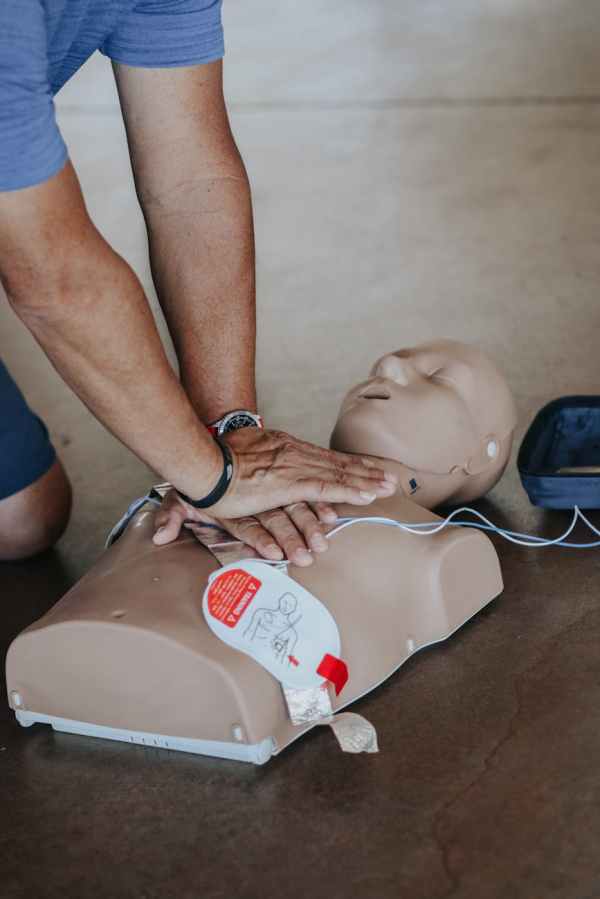
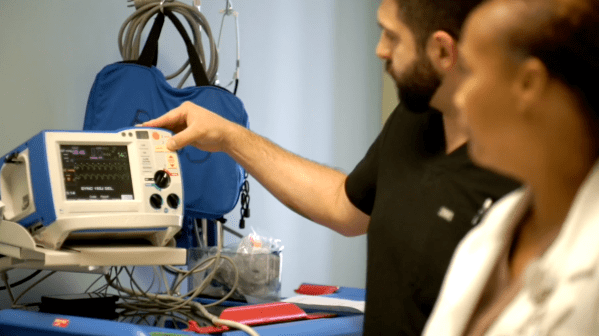
Sudden cardiac arrest is a leading cause of death in industrialized nations, with over 700,000 annual fatalities in Europe and the USA, largely due to ventricular fibrillation (VF) or pulseless ventricular tachycardia. Despite repeated defibrillation attempts, many patients remain in shock refractory VF, and further attempts without method changes are often ineffective, leading to decreased... Continue Reading →
5 minutes EVD review and setup
Courtesy of Critical RN skills | https://youtu.be/RWEVGgBZ9Sg?si=Efzd-NJOKOxSgOel | 2 person prime the system. All tubing system must remain sterile when connecting and flushing. image: Sterile flush, transducer, stopcock, and the EVD with drainage system. Connect primary stopcock to the system. Connect transducer to main system stopcock. MD will flush the system with sterile normal saline... Continue Reading →
The MRS for post stroke patient
What is the purpose of the scale? The Modified Rankin Scale (MRS) is a simple one-item rating scale to check how patients are doing after a stroke. It helps figure out how independent they are by looking at what they could do before the stroke instead of just how well they perform specific tasks now.... Continue Reading →
Amyloid-related imaging abnormalities (ARIA)
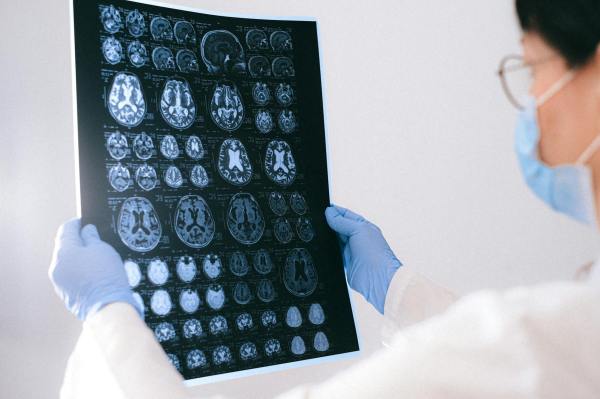
Case study: Mr. J. is a 76 year old gentleman who came in with left sided weakness associated with dizziness and visual changes. He was recently started on an anti-amyloid therapies Lecanemab a few weeks back to help slow down his Alzheimer's disease progression. He is AO x 3 at baseline. He is currently a... Continue Reading →
Sepsis and the Andromeda shock trial
Perfusion, perfusion, perfusion- the name of the game. Ever wonder why we activate a rapid response for severe sepsis? What is severe sepsis? Yes, severe sepsis is when that infectious process has affected the body to go into an overdrive with a SYSTEMIC INFLAMMATORY RESPONSE SYNDROME and has now affected central organs with low perfusion.... Continue Reading →
RUHS mock code for documentation training
Here is four round of ACLS- get with the guideline following a shockable rhythm educational video I put together in September of 2023. The video is intended for epic real time documentation training. Please feel free to download the script provided below. Time stamp is provided on the right lower screen on the video. https://vimeo.com/896937090... Continue Reading →
TEE and the mitral valve during CPR
Ever wonder why Dr. Haycock asks for the TEE kit when we have a full arrest coming into the emergency department? Let's look into the simple yet valuable tool used during a code situation. Why TEE for cardiopulmonary resuscitationTEE facilitates continuous cardiac monitoring, aids in identifying reversible causes, optimizes chest compression techniques, can notably shorten... Continue Reading →
Severe Sepsis activation
This is a simple tool for the Medical surgical / Progressive care unit that the Code team has put together for a quick guide in activating severe sepsis apart from the Best Practice Alert guide. Feel free to print for your department huddle board. . Names, dates, and personal identifying details have been changed throughout... Continue Reading →
What is CT perfusion?
A CT perfusion study is a cool medical imaging method that checks out how blood flows to different tissues, especially in the brain or heart. It uses CT tech combined with a contrast agent to see how blood gets delivered to various spots over time. In a CT perfusion study, a series of images is... Continue Reading →
Acumen iQ, FloTrac system quick set up guide
Here's a quick step by step guide for our critical care nurses using the Edward's minimally invasive set up with the Flotrac system for hemodynamic monitoring and fluid responsive test. 1 press the power button 2. enter and confirm patient demographics . 3. select monitoring technology . 4. open acumen iq sensor setup . 5.... Continue Reading →