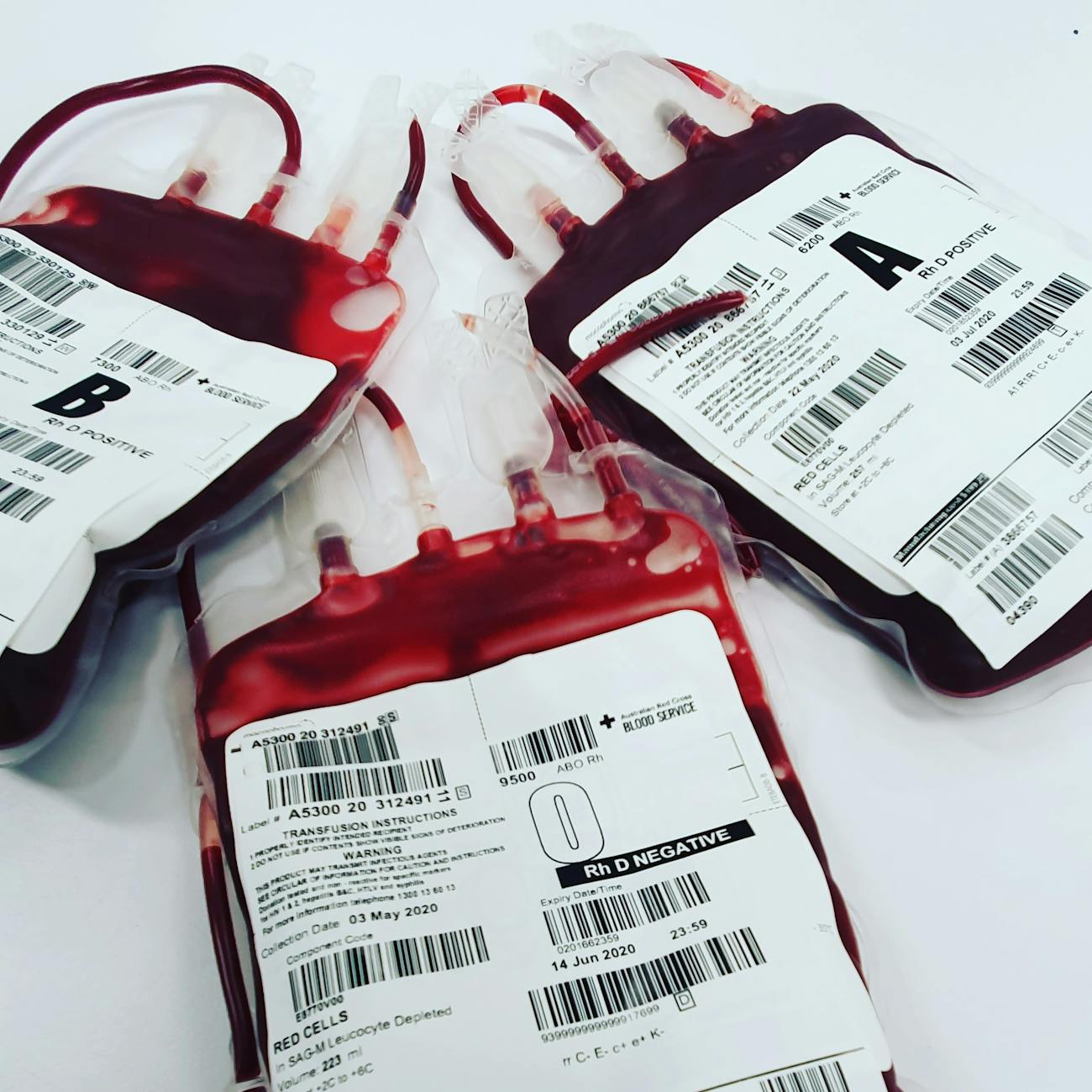
TRALI (Transfusion-Related Acute Lung Injury) and TACO (Transfusion-Associated Circulatory Overload) are two major reasons people sometimes get into trouble after a blood transfusion, both leading to breathing issues that can arise within about 6 hours.
What are the differences?
TRALI is non-cardiogenic pulmonary edema, which basically means the lungs get messed up due to an immune response, (I take the “i” in TRALI to remember immune response) often causing low blood pressure and sudden breathing difficulties that need quick action. This condition typically arises after exposure to certain blood products, such as plasma transfusions, and is characterized by the rapid onset of respiratory distress within six hours of the transfusion. As the immune system reacts, inflammatory mediators are released, leading to increased permeability of the pulmonary vasculature, fluid accumulation in the alveoli, and impaired gas exchange. These changes contribute to the critical nature of the situation, necessitating immediate medical intervention to restore adequate oxygenation and stabilize the patient’s condition. Awareness and prompt recognition of TRALI are essential components of effective treatment strategies in transfusion medicine.
TACO is more of a heart issue, stemming from too much fluid being pushed into the body during the transfusion; (to remember I take the “CO” in TACO to remind myself of cardiac output, or the organ heart) it usually shows up with high blood pressure and can even lead to heart failure if it’s not taken care of quickly. When patients develop TACO, they often present symptoms such as shortness of breath, jugular venous distension, and peripheral edema, making it crucial for the medical team to act promptly.
Treatment
Patients with TACO often respond really well to diuretics, which help get rid of all that extra fluid, while those dealing with TRALI might need more supportive treatments like oxygen therapy and, in severe cases, mechanical ventilation to help them breathe better. Unlike TACO, TRALI is a form of acute lung injury that occurs in response to transfused blood products, resulting in acute respiratory distress due to an immune-mediated reaction. It’s super important for healthcare providers to know the differences and how to handle these situations because catching them early can make a real difference in how patients fare; timely interventions can lead to improved outcomes and decrease the risk of complications, ensuring that patients receive the best possible care during critical moments.
Names, dates, and personal identifying details have been changed throughout this website to comply with the Health Insurance Portability and Accountability Act (HIPAA). **
 Code Team Pearls
Leave a comment