RSI meds in a nutshell; a 5 minute review.

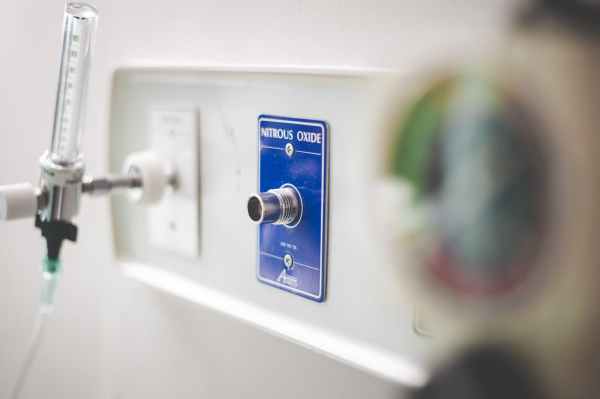
Administration of sedative followed rapidly by a paralytic. RSI was created as a response to the deleterious effects of aspiration. The technique was to decrease the amount of time that a patient’s airway was unprotected during induction. Pretreatment Agents Fentanyl: 2-10 mcg/kg; Reduces sympathetic responses, useful for patients with head injuries or myocardial ischemia.  Lidocaine: Can decrease... Continue Reading →

Chiari network

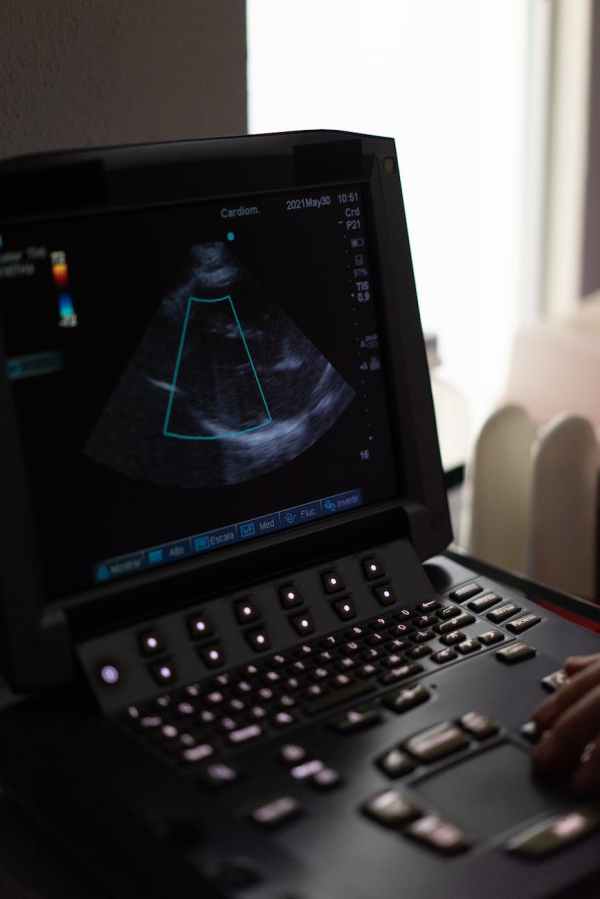
Hi team! Since we perform NP-POCUS in resuscitating septic patient we might have or might encounter this image/assessment in our apical four chamber view of the heart. The Chiari network, encountered infrequently in the right atrium, is a fenestrated, net-like embryonic remnants of valves of sinus venosus, lying closely in relation to the inferior vena... Continue Reading →

PSH management

Paroxysmal Sympathetic Hyperactivity after acquired brain injury; overstimulation secondary to TBI Treatment strategies target the inhibition of central sympathetic output, afferent sensory input, and effector organ responses to sympathetic stimulation. adrenergic agonists | Dexmedetomidine, clonidine; used to control central and peripheral adrenergic activities  non selective b-blockers | Propranolol is a lipophilic, central inhibition of catecholamine... Continue Reading →

Inderal overdose

Hey guys. Have you had your coffee? How's the migraine? We have had a day with a back to back inderal overdose case in the emergency department. This is a quick 5 minute overview of Inderal treatment and management. Overview: most commonly prescribed drugs for the treatment of various cardiac disorders, hyperthyroidism, migraine, glaucoma, and... Continue Reading →

RSV in under 5 minutes

Discovered in 1956, also called human respiratory syncytial virus (hRSV) and human orthopneumovirus. Orthopneumovirus consists of pathogens that target the upper respiratory tract; found among sheep, cows, and most importantly humans. leading cause of bronchiolitis and pneumonia in infants and children worldwide under the age of 5. Transmission through droplets and aerosols, live for up... Continue Reading →

Catecholamine Vs. Non catecholamine Vasoactive agents

Catecholamine Dopamine exerts its effects on both dopaminergic and adrenergic receptors. The meta-analysis from the Surviving Sepsis Campaign guidelines 2015 did not endorse the use of dopamine due to its association with increased mortality and arrhythmias when compared to norepinephrine. However, it may be considered as an alternative to norepinephrine in patients deemed to have... Continue Reading →

Septic Emboli

Hadoff at 06:00, Septic activation; SIRS X 3, lactate 4.. Fluid resuscitated at hour three, completed 3L LR bolus. Hemodynamics; SV 89, CO 7L/min, SVR 856 after second vasopressor support. Patient is intubated and sedated. Background: Patient was a trauma activation 7 days prior with multiple surgical intervention including spleenectomy persisted to be hypotensive despite... Continue Reading →

Transvenous Pacemaker; made simple

Case study: You are responding to a code blue. Patient went bradycardic in the 30's; unresponsive. Atropine 1 mg was given but did not improve heart rate. Previous EKG showed sinus bradycardia with discernable P waves. You are manning the monitor; 1 epi given and after just one round of CPR there is ROSC. You... Continue Reading →

Create a website or blog at WordPress.com

Up ↑